When Your Car Key Is on Its Last Leg: Can It Still Be Copied?
Car keys take a lot of abuse. They get shoved into pockets, dropped on pavement, and twisted with force in locks and ignition switches. Over time, the metal key blade can bend, the plastic shell can crack, or the internal transponder can start to fail. If you notice your key is getting harder to use, you might wonder whether it can be copied before it breaks completely. The short answer is: often yes, but not always. It depends on the type of key and the nature of the damage. Acting early gives you the best chance.
When a car key begins to show wear, many people assume they need a brand new key from the dealership. That is not necessarily the case. A skilled automotive locksmith can often create a working copy from a damaged original, provided the key still holds enough information to read. The process is not the same as cutting a fresh key from a blank. It involves working around the damage and salvaging what is still usable.
How Car Key Cutting Works
Car key cutting has evolved significantly over the last few decades. Older cars use simple metal keys that only require accurate cutting of the key blade. The locksmith measures the key's cuts, shoulder, and tip, then uses a key cutting machine to shape a blank to match. If the original key is bent or chipped, the locksmith might need to straighten it first or take measurements from the parts of the blade that are still intact. A heavily worn key can still be copied if the bitting is readable.
Modern car keys are more complex. Many contain a transponder chip that communicates with the vehicle's security system. The metal part is only half the puzzle. The electronic code must also be read and programmed into the replacement. If the original key's chip is damaged or failing, copying becomes trickier. The locksmith needs the key to still power up and communicate long enough to capture the code. In some cases, the vehicle itself can be used to extract the code, even if the key is not fully functional.
Assessing the Type of Damage
Not all damage is equal. A key that is simply cracked in the plastic shell can usually be copied without much trouble. The locksmith can remove the blade and chip from the old key shell and install them into a new one. This is a common service that extends the life of the original electronics. For metal keys, a bent blade can often be straightened and then copied. If the key has snapped in half, the locksmith may need to work with the two pieces to piece together the full profile. As long as the break is clean and no metal is missing, a copy is very possible.
Damage to the key code or transponder is more serious. If the chip has been physically crushed or exposed to water, it may stop transmitting. In that case, copying the key requires alternative methods. The locksmith might need to use diagnostic tools to read the code directly from the vehicle's ignition switch or lock cylinder. This approach works for many cars but adds time and complexity. The cost is usually higher than a straightforward copy.
When a Damaged Key Cannot Be Copied
There are limits. If the key blade is so worn down that the cuts are no longer distinct, a key cutting machine cannot read what is not there. The blade might need to be decoded by hand, which is possible for some locksmiths but not all. Similarly, if the transponder is completely dead and the vehicle requires the key to be present to program a new one, you may be stuck. In those situations, the only option is to order a new key from the manufacturer or have a locksmith generate a new code for the vehicle.
Another challenge is keys that use a flip mechanism. Some car keys have a fold-out blade that tucks into the fob. If the flip mechanism itself is broken, the key may still be copied, but the replacement will need a new shell that allows the blade to move properly. This is where a service like flip key replacement comes in. The locksmith transfers the working parts into a fresh housing, restoring full function without needing a whole new key from scratch.
Why Acting Early Matters
The biggest risk of waiting is that the key breaks while you are using it. A key that snaps off in the lock cylinder or ignition switch creates a much bigger problem. Now you need extraction services on top of a new key. That can mean a service call, drilling out the lock, and replacing parts. All of that costs more than a simple copy would have. If you notice your key is getting hard to insert, turn, or remove, it is a good sign to get a backup made while the original still works well enough to read.
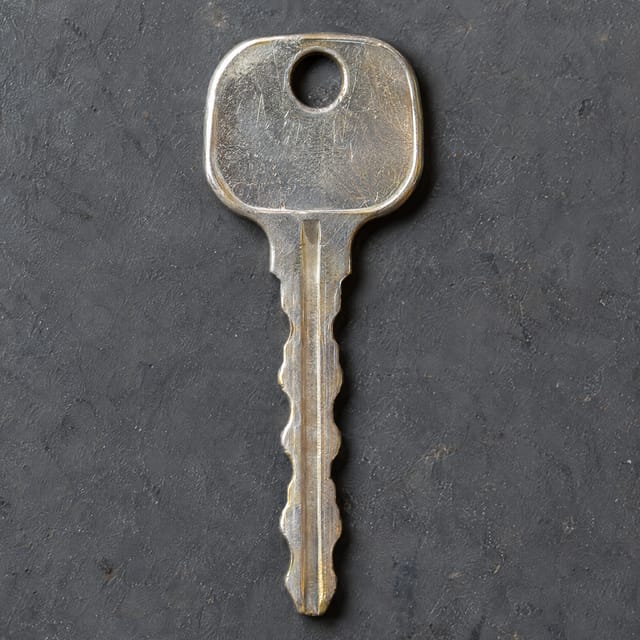
Even if the key is only slightly damaged, copying it early gives the locksmith the easiest possible starting point. A key that still turns the ignition but feels loose in the lock may have a worn blade. A key that works fine but has a cracked shell may have a chip that is still secure. Both are easy to copy now. Waiting until the shell falls apart or the blade snaps turns a quick job into a complicated repair.
What to Expect From a Mobile Service
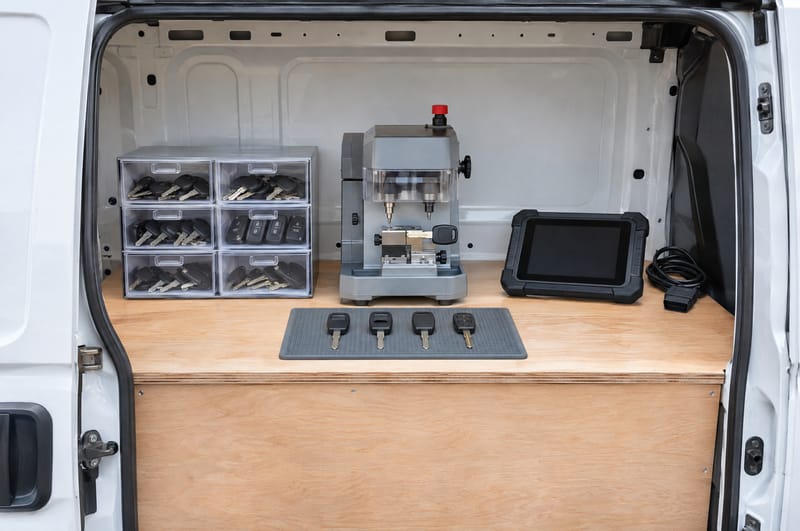
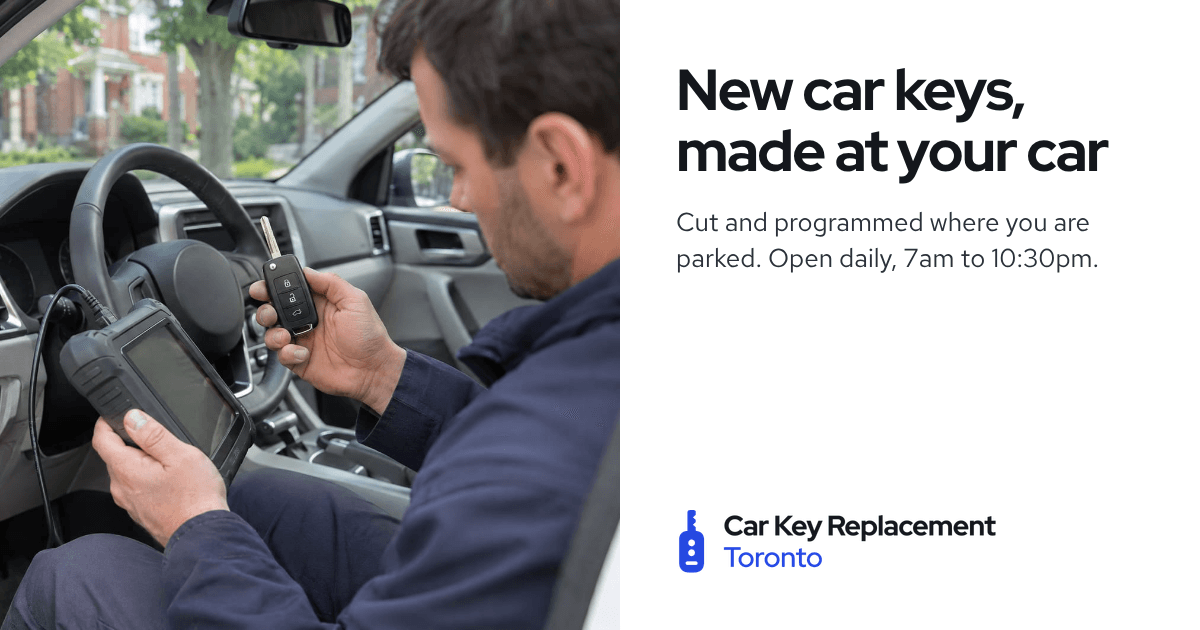
A mobile locksmith who comes to your location can handle most damaged-key situations. They carry a range of blanks, key cutting machines, and programming tools. They can assess the damage on the spot and tell you whether a copy is possible. For many car key cutting jobs, the service is done at your car, so you do not need to bring anything anywhere. The locksmith will remove the key from your keychain, examine it, and decide the best approach. If the key is too damaged to copy directly, they may offer alternatives like ordering a new key or decoding from the vehicle.
Mobile services are especially helpful when the key is already broken and you cannot start the car. A locksmith can come to you, extract any broken pieces, and cut a new key from the lock cylinder if needed. This can save you a tow truck bill and a trip to the dealership. Not all mobile locksmiths carry the equipment for advanced key cutting, so it is worth checking ahead. A service that specializes in automotive keys will usually have the right tools.
How to Protect Your Key
Prevention is better than cure. A few simple habits can keep your key working longer. Avoid attaching heavy keychains that put stress on the key head. Do not use your key as a tool for opening packages or scraping ice. Keep it away from moisture and extreme heat. If your key has a flip mechanism, open and close it gently. Over time, the spring inside the flip mechanism can weaken, and the key shell can crack. A service like flip key replacement can fix that, but catching it early means you keep using the same electronics instead of replacing everything.
Another good practice is to have a spare key made before you need it. Even if your current key is in perfect shape, having a backup means you are never stuck if the original gets lost or damaged. Most locksmiths can cut a standard metal key in minutes. Programmed keys take a bit longer but can often be done the same day. The peace of mind is worth the small upfront effort.
Final Thoughts
A damaged car key does not automatically mean you need a full replacement from the dealership. In many cases, a mobile locksmith can copy the key before it fails completely. The key is to act as soon as you notice any wear or difficulty. The longer you wait, the more likely the damage will become irreversible. If the key still works, even if it feels rough, get a copy made. If the key is already broken, call a locksmith who works with automotive keys. They can often salvage what is left and get you back on the road without a major expense.